Roof Ventilator Repair in Alpharetta, GA
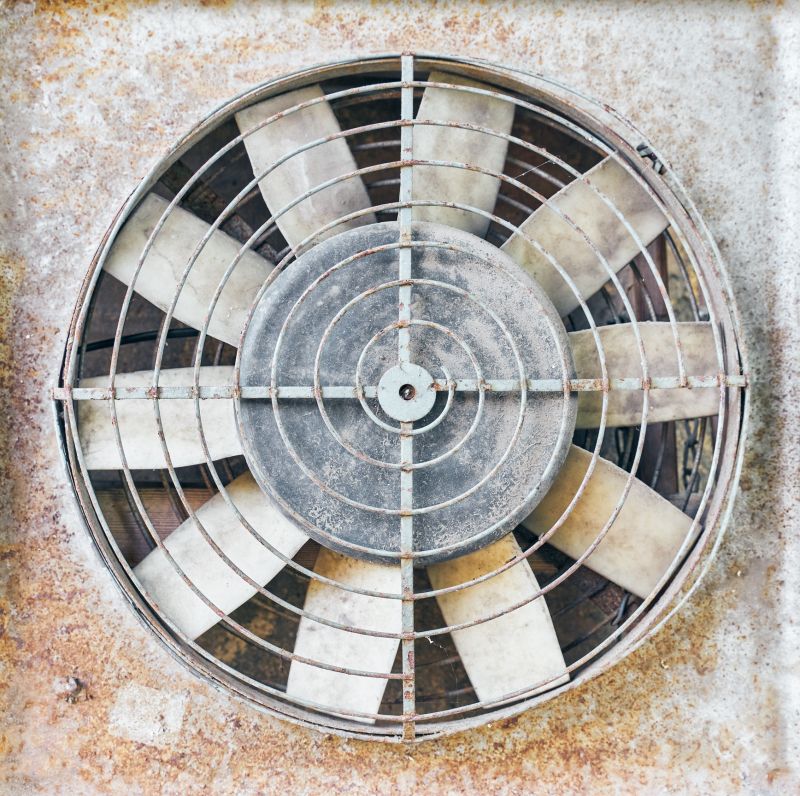
Roof ventilator repair services focus on maintaining the proper function of roof-mounted ventilation systems that help regulate airflow and temperature within a property. These services typically cover issues such as broken or malfunctioning fans, damaged louvers, or leaks around the ventilator units. Projects may involve inspecting existing ventilators, replacing faulty components, or restoring the integrity of the installation to ensure effective airflow and prevent potential damage caused by poor ventilation.
Property owners seeking roof ventilator repairs usually want to understand the common causes of ventilator problems, the signs indicating a need for repair, and the scope of work involved. It’s helpful to know whether repairs are suitable for existing units or if replacement might be necessary, and to consider the impact of weather conditions or debris on ventilation performance. Clarifying these points can support informed decisions about maintaining or upgrading roof ventilation systems.
Many property owners in Alpharetta, GA look into Roof Ventilator Repair for repairs, replacements, upgrades, and appearance-related improvements.
Common Ventilator Issues
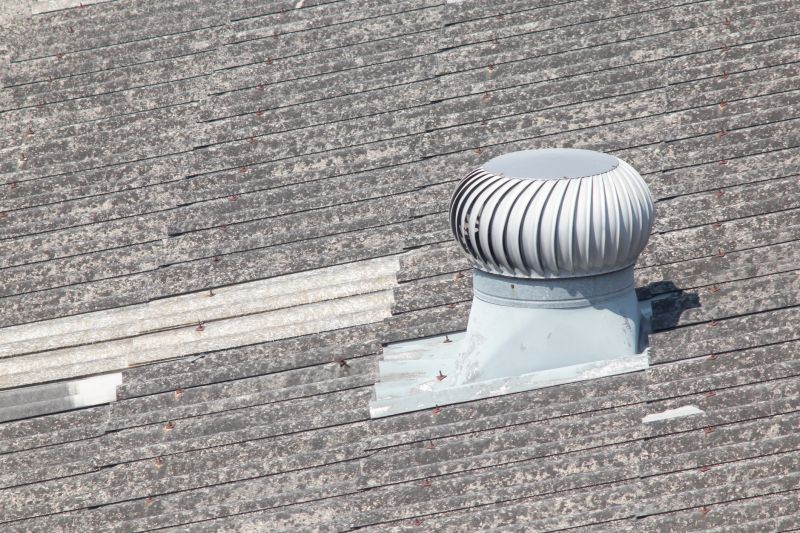
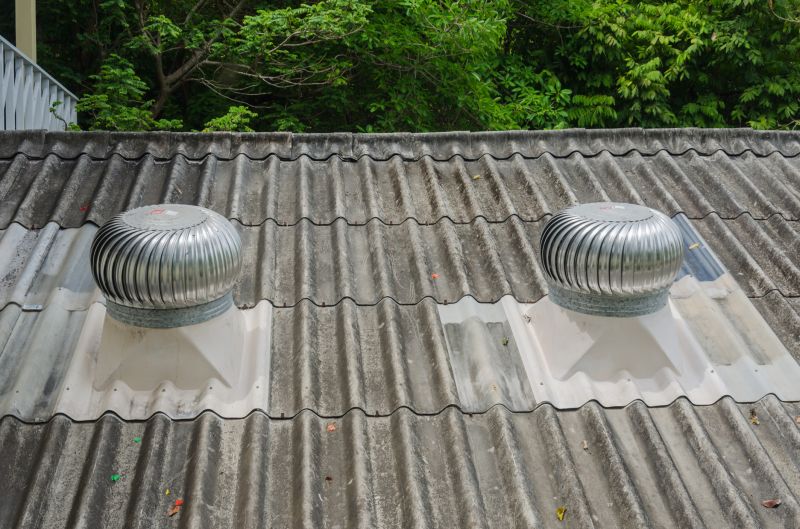
Problems like noise, leaks, or reduced airflow can affect roof ventilators in alpharetta homes.
Signs Of Ventilator Damage
Visible rust, cracks, or inconsistent ventilation may indicate the need for repair or replacement.
Maintenance And Repairs
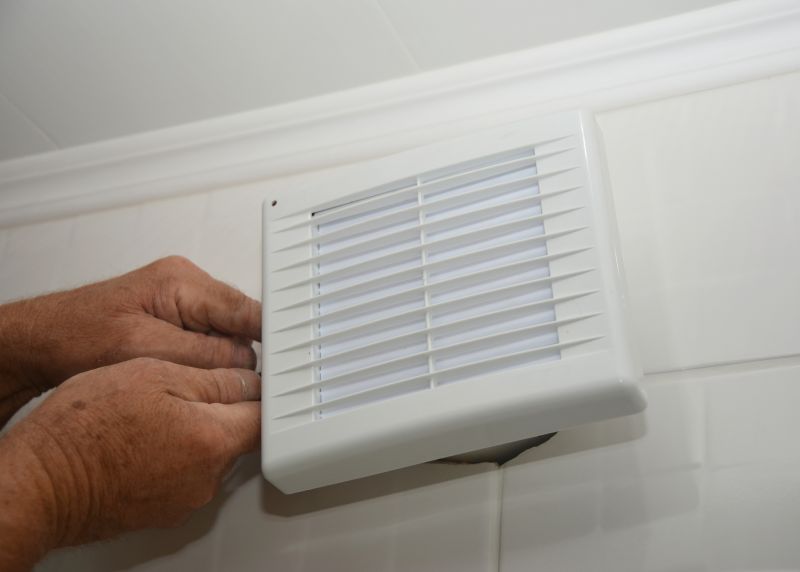
Proper inspection and timely fixes help maintain effective attic ventilation and prevent property damage.
Roof Ventilator Repair in Alpharetta, GA
Roof ventilator repair services focus on maintaining the proper function of roof-mounted ventilation systems that help regulate airflow and temperature within a property. These services typically cover issues such as broken or malfunctioning fans, damaged louvers, or leaks around the ventilator units. Projects may involve inspecting existing ventilators, replacing faulty components, or restoring the integrity of the installation to ensure effective airflow and prevent potential damage caused by poor ventilation.
Property owners seeking roof ventilator repairs usually want to understand the common causes of ventilator problems, the signs indicating a need for repair, and the scope of work involved. It’s helpful to know whether repairs are suitable for existing units or if replacement might be necessary, and to consider the impact of weather conditions or debris on ventilation performance. Clarifying these points can support informed decisions about maintaining or upgrading roof ventilation systems.
Many property owners in Alpharetta, GA look into Roof Ventilator Repair for repairs, replacements, upgrades, and appearance-related improvements.
Common Roof Ventilator Repair Jobs
Roof Ventilator Repair - restores proper airflow and ventilation to attic spaces.
Roof Ventilator Replacement - upgrades outdated or damaged vents to improve energy efficiency.
Leak Repair - addresses leaks caused by faulty or broken roof vents to prevent water damage.
Vent Cap Repair - fixes damaged or missing vent caps to keep pests and debris out.
Noise Reduction - reduces rattling or loud noises from malfunctioning roof vents.
Efficiency Optimization - ensures roof vents operate correctly to help maintain consistent indoor temperatures.
Roof Ventilator Repair Questions
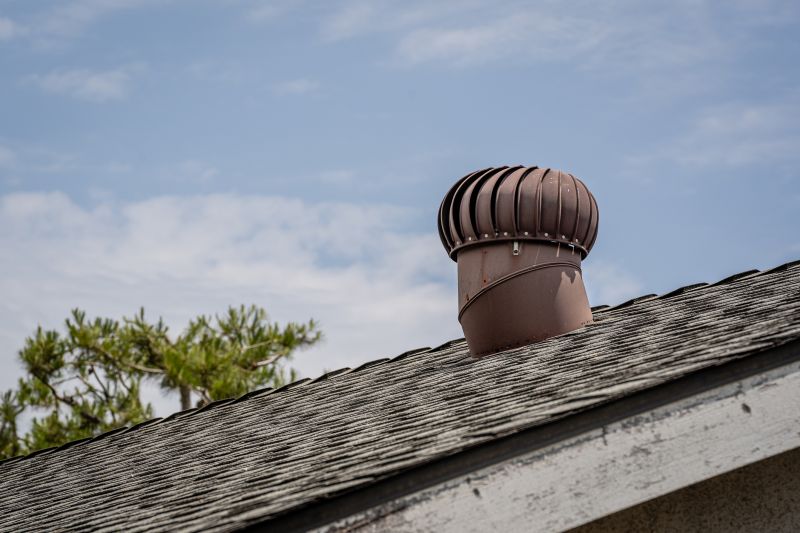
What causes roof ventilator issues? Common causes include debris buildup, age-related wear, or damage from storms, which can hinder proper airflow.
How can I tell if my roof ventilator needs repair? Signs include unusual noises, decreased ventilation, or visible damage on the ventilator or roof.
What types of repairs are typically needed for roof ventilators? Repairs may involve replacing damaged blades, fixing motor issues, or sealing leaks around the unit.
Why is proper roof ventilator function important? Proper ventilation helps regulate attic temperature, reduces moisture buildup, and prolongs roof lifespan.
Request Roof Ventilator Repair in Alpharetta, GA
Use the quote form on this page to share the basics of your project and request more information for the type of work you need.